Unit 21
Bumi Bertuah
Malaysia ialah bumi bertuah. Tanahnya subur, hujannya cukup dan lautnya kaya. Peladang, penternak dan nelayan mengusahakan hasil bumi untuk kita semua.
Dalam unit ini: soalan terbuka, keratan batang, karangan naratif, cerita personifikasi, kata penguat dan kata bantu.
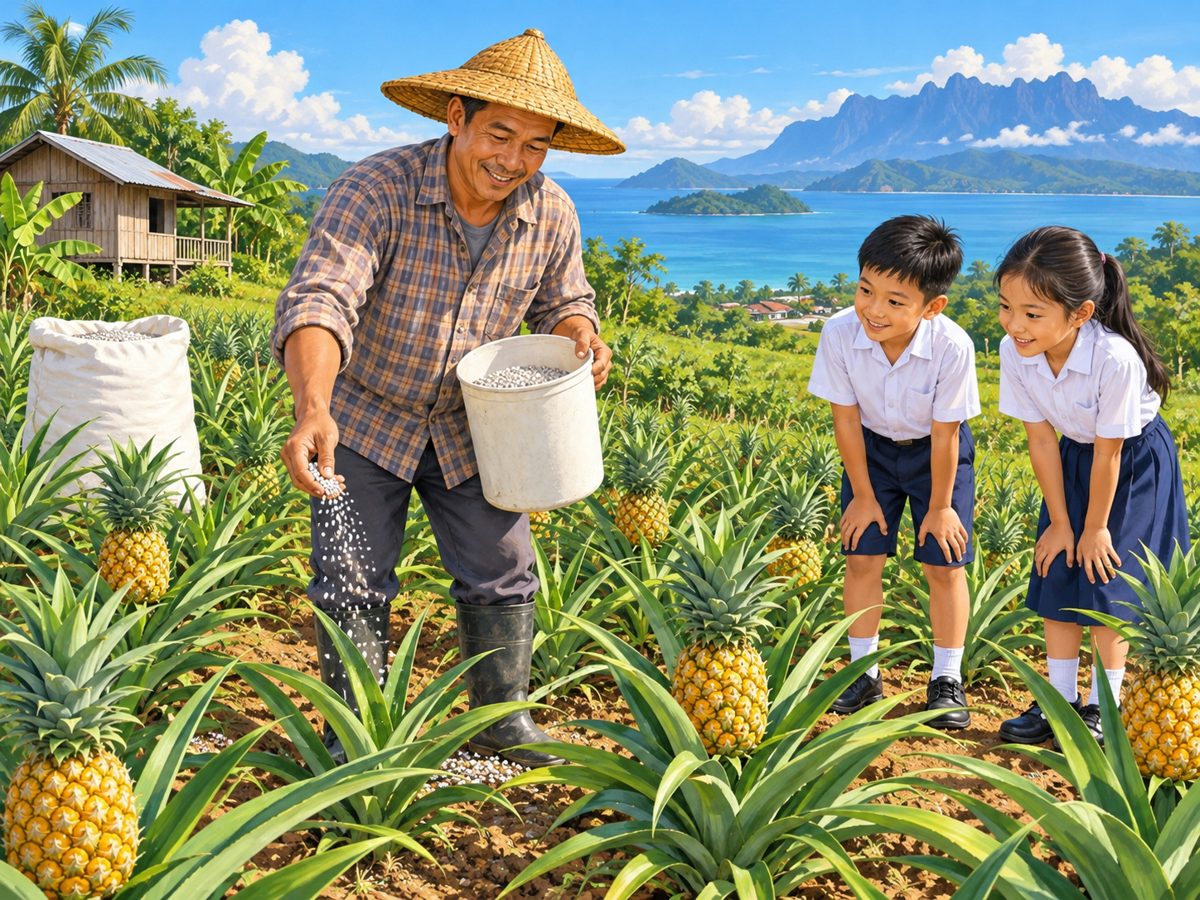
幸运的土地 = bumi bertuah;农民 = peladang;渔夫 = nelayan
马来西亚土地肥沃、雨水充足、海洋丰富,所以叫“幸运的土地”。这一单元认识农民、牧民和渔夫的工作,学扦插、参观黄梨加工厂、读拟人故事,语法学强调词和助动词。
例子:渔夫捕到的鱼、牧民养的鸡、农民种的菜,每天都送到我们的餐桌。
注意:bertuah 是“幸运、有福气”,不是“老”的意思,别和 tua 混淆。
blessed land = bumi bertuah; farmer = peladang; fisherman = nelayan
Malaysia has rich soil, plenty of rain and a bountiful sea, so it is called a blessed land. In this unit we meet farmers, livestock breeders and fishermen, learn about stem cuttings, visit a pineapple factory, read a story where plants talk, and study intensifiers and auxiliary verbs.
Example: the fish caught by fishermen, the chickens raised by breeders and the vegetables grown by farmers reach our table every day.
Watch out: bertuah means lucky or blessed; do not mix it up with tua, which means old.
Mendengar dan Bertutur
Soalan terbuka
Berbual tentang cita-cita
Aina: Wah, penternak itu menerima anugerah! Apakah cita-cita kamu, Kumar?
Kumar: Saya mahu menjadi nelayan moden.
Aina: Mengapakah kamu memilih kerjaya itu?
Kumar: Kerana saya suka laut. Saya juga mahu menggunakan bot yang menjimatkan minyak.
Aina: Bagus! Saya pula mahu menjadi peladang buah-buahan.
Soalan terbuka
jawapan berbeza-beza
cth: Mengapakah kamu memilih kerjaya itu?
cth: Mengapakah kamu memilih kerjaya itu?
Soalan tertutup
jawapan tetap
cth: Adakah dia seorang nelayan?
cth: Adakah dia seorang nelayan?
开放式问题 = soalan terbuka;奖项 = anugerah;牧民 = penternak
开放式问题没有唯一答案,每个人可以照自己的想法回答,例如问理想、问原因、问感想。回答时先说出想法,再用 kerana 说明理由,句子要完整。和它相对的是封闭式问题,只能答“是/不是”或一个固定事实。
例子:问“为什么想当渔夫?”可以答“因为我喜欢海”。
注意:只回答一个词,例如 Nelayan.,太简短,要说成完整的句子。
open question = soalan terbuka; award = anugerah; livestock breeder = penternak
An open question has no single right answer; each person can reply with their own ideas, such as dreams, reasons or feelings. Give your idea first, then explain it with kerana, using full sentences. A closed question, in contrast, can only be answered with yes, no or one fixed fact.
Example: asked why he wants to be a fisherman, Kumar says it is because he loves the sea.
Watch out: answering with one word, such as Nelayan, is too short; say a full sentence.
Mendengar dan Bertutur · Soalan 1
Soalan manakah soalan terbuka?
开放式 = terbuka;封闭式 = tertutup;理由 = sebab
Adakah 开头的问题只能答 Ya 或 Tidak;Berapakah 问数量,答案是一个固定数字。问“为什么你喜欢鱼”,每个人的理由都不一样,可以说好吃、好看、有营养,所以是开放式问题。
例子:Bagaimanakah perasaan kamu semasa melawat ladang? 问感受,也是开放式。
注意:mengapa、bagaimana 开头的问题,通常需要较长的回答。
open = terbuka; closed = tertutup; reason = sebab
A question starting with Adakah can only be answered yes or no, and Berapakah asks for a fixed number. Asking why someone likes fish lets every person give a different reason, such as taste, looks or health, so it is open.
Example: asking how you felt during the farm visit is also an open question.
Watch out: questions beginning with mengapa or bagaimana usually need a longer reply.
Membaca
Tiga jenis keratan batang
Membiak pokok tanpa biji benih
Keratan kayu lembut
daripada pucuk muda
hijau dan mudah dibengkokkan
cepat layu, perlu tempat lembap
hijau dan mudah dibengkokkan
cepat layu, perlu tempat lembap
Keratan kayu sederhana keras
batang separuh matang
tidak terlalu muda atau tua
tidak terlalu muda atau tua
Keratan kayu keras
batang matang dan tua
berwarna perang dan keras
cth: batang ubi kayu
berwarna perang dan keras
cth: batang ubi kayu
扦插 = keratan batang;嫩芽 = pucuk;成熟 = matang
扦插就是剪下一段茎去种,让它长出根来变成新植株,不必用种子。软枝插条取自绿色嫩芽,容易弯,也容易枯萎;半硬枝插条取自半成熟的茎;硬枝插条取自又老又硬、呈褐色的茎。
例子:种木薯时,农民把成熟的褐色木薯茎剪成一段段插进土里。
注意:kayu lembut 指嫩枝,不是“软木头”。
stem cutting = keratan batang; young shoot = pucuk; mature = matang
A stem cutting is a piece of stem cut from a plant and planted so it grows roots and becomes a new plant without seeds. Softwood cuttings come from green young shoots that bend easily and wilt quickly; semi-hardwood cuttings come from half-mature stems; hardwood cuttings come from old, hard, brown stems.
Example: cassava farmers cut mature brown stems into short pieces and push them into the soil.
Watch out: kayu lembut here means a soft young shoot, not soft timber.
Membaca · Soalan 2
Apakah jenis keratan ini?
Batangnya tua, matang, keras dan berwarna perang.
褐色 = perang;硬 = keras;老 = tua
题目描述的茎又老、又成熟、又硬,还是褐色的,这些都是硬枝插条的特征。软枝插条是绿色嫩芽;半硬枝插条是不太嫩也不太老的茎,不会完全变硬变褐。
例子:拿起一段木薯茎,硬邦邦又是褐色,就是硬枝插条。
注意:sederhana keras 是“半硬”,名字里有 keras 也不代表最硬。
brown = perang; hard = keras; old = tua
The stem in the question is old, mature, hard and brown, which are all signs of a hardwood cutting. Softwood cuttings are green young shoots, and semi-hardwood cuttings come from stems that are neither very young nor fully hard and brown.
Example: a stiff brown piece of cassava stem is a hardwood cutting.
Watch out: sederhana keras means only medium hard, even though its name contains keras.
Menulis
Karangan naratif mengikut urutan
Lawatan ke kilang nanas
Pendahuluan
Pada hari Sabtu, kelas kami melawat kilang nanas.
Isi
Mula-mula, kami mendengar taklimat.
Kemudian, kami melihat nanas dikupas dan empulurnya dibuang.
Selepas itu, isi nanas diparut dan dimasak hingga likat.
Kemudian, kami melihat nanas dikupas dan empulurnya dibuang.
Selepas itu, isi nanas diparut dan dimasak hingga likat.
Penutup
Akhirnya, kami membeli kordial nanas di kios. Kami berasa gembira.
记叙文 = karangan naratif;菠萝心 = empulur;磨碎 = diparut;浓稠 = likat
记叙文按事情发生的先后来写:开头交代时间、地点、人物;中间按顺序写经过;结尾写感受或学到什么。用 mula-mula、kemudian、selepas itu、akhirnya 把每一步串起来,读者就不会乱。
例子:参观黄梨厂,先听简报,再看削皮去心,接着磨碎煮成果酱,最后在小卖亭买果汁。
注意:kordial 是要加水冲的浓缩果汁,不是直接喝的。
narrative essay = karangan naratif; core = empulur; grated = diparut; thick = likat
A narrative essay tells events in the order they happened: the introduction gives the time, place and people; the body follows the events step by step; the ending shares a feeling or lesson. Words such as mula-mula, kemudian, selepas itu and akhirnya link the steps so readers do not get lost.
Example: at the pineapple factory, the class hears a briefing, watches peeling and coring, sees the fruit grated and cooked into jam, then buys cordial at the kiosk.
Watch out: kordial is a concentrated drink that must be mixed with water before drinking.
Menulis · Susun urutan
Susun peristiwa mengikut urutan
顺序 = urutan;简报 = taklimat;削皮 = dikupas
四张卡各写一件事,开头都有顺序词。照 mula-mula(首先)、kemudian(然后)、selepas itu(之后)、akhirnya(最后)排,就是参观的先后。也可以想一想:没削皮的黄梨能先煮吗?
例子:刷牙也有顺序:先挤牙膏,然后刷牙,之后漱口,最后洗牙刷。
注意:akhirnya 一定放最后,mula-mula 一定放最前。
sequence = urutan; briefing = taklimat; peeled = dikupas
Each of the four cards tells one event and opens with a sequence word. Ordering them by mula-mula, kemudian, selepas itu and akhirnya gives the order of the visit. You can also think logically: could the pineapple be cooked before it was peeled?
Example: brushing teeth has an order too: squeeze the paste, brush, rinse, then wash the toothbrush.
Watch out: akhirnya always goes last and mula-mula always goes first.
Seni Bahasa
Cerita personifikasi
Kebun Pak Seman
Labu: Hai Cili Padi, kamu terlalu kecil. Apakah yang boleh kamu buat?
Cili Padi: Saya memang kecil, tetapi saya pedas. Saya menambah selera dan membantu metabolisme badan.
Rambutan: Kulit saya penuh rerambut. Isi saya manis dan berair.
Labu: Isi saya tebal dan mengenyangkan. Saya menjaga ketahanan tubuh.
Rambutan: Kita semua berguna. Mari kita bekerjasama!
Labu: Maafkan saya, Cili Padi. Memang kecil-kecil cili padi!
Peribahasa: kecil-kecil cili padi = kecil tetapi berani atau pandai
拟人 = personifikasi;新陈代谢 = metabolisme;抵抗力 = ketahanan tubuh;细毛 = rerambut
拟人故事让植物像人一样说话、有感情。南瓜笑小辣椒太小,可是小辣椒说自己能开胃、帮身体新陈代谢;红毛丹和南瓜也说出各自的长处。最后大家明白:每个人都有用,要合作。
例子:kecil-kecil cili padi 用来称赞个子小却勇敢或聪明的人。
注意:这是谚语(peribahasa),不是说那个人爱吃辣。
personification = personifikasi; metabolism = metabolisme; body resistance = ketahanan tubuh; fine hairs = rerambut
In a personified story, plants talk and feel like people. The pumpkin teases the small chilli, but the chilli explains that it boosts appetite and helps the body's metabolism; the rambutan and pumpkin also share their strengths. In the end all of them learn that everyone is useful and should work together.
Example: kecil-kecil cili padi praises someone who is small but brave or clever.
Watch out: it is a proverb (peribahasa), so it does not mean the person likes spicy food.
Seni Bahasa · Soalan 3
Apakah maksud peribahasa kecil-kecil cili padi?
谚语 = peribahasa;勇敢 = berani;生气 = marah
这句谚语拿小辣椒来比喻人:辣椒虽小,却非常辣、很有力量。所以它称赞个子小、年纪小,却勇敢或能干的人。它和爱吃辣、脾气大都没有关系。
例子:班上最矮的 Mei 在辩论赛里赢了大哥哥,大家说她 kecil-kecil cili padi。
注意:谚语要照整体意思理解,不能逐字翻译。
proverb = peribahasa; brave = berani; angry = marah
This proverb compares a person with a bird's eye chilli: tiny, yet very hot and powerful. So it praises someone small or young who is brave or capable. It has nothing to do with liking spicy food or having a bad temper.
Example: the shortest girl in class beats older pupils in a debate, and everyone calls her kecil-kecil cili padi.
Watch out: understand a proverb as a whole; translating it word by word gives the wrong meaning.
Tatabahasa
Kata penguat
Menguatkan maksud kata adjektif
Hadapan
terlalu, paling, agak
Ulam pegaga paling sedap.
Ulam pegaga paling sedap.
Belakang
sekali, benar, nian, betul
Daun selom segar sekali.
Daun selom segar sekali.
Bebas
amat, sangat, sungguh
sangat pahit / pahit sangat
sangat pahit / pahit sangat
强调词 = kata penguat;前置 = hadapan;后置 = belakang;自由 = bebas
强调词让形容词的意思更强烈。前置的放在形容词前面,例如 paling;后置的放在形容词后面,例如 sekali;自由的放前放后都可以,例如 sangat。乌兰菜是马来社会常常生吃的香草叶子。
例子:乌兰王真香,马来文说 Ulam raja itu harum benar。
注意:一句只用一个强调词,不要写 sangat sedap sekali。
intensifier = kata penguat; front = hadapan; back = belakang; free = bebas
An intensifier makes an adjective stronger. Front intensifiers terlalu, paling and agak go before the adjective; back intensifiers sekali, benar, nian and betul go after it; free intensifiers amat, sangat and sungguh can go either side. Ulam are fresh herbs and leaves often eaten raw, such as pegaga and ulam raja.
Example: Ulam raja itu harum benar means the ulam raja smells really fragrant.
Watch out: use only one intensifier in a phrase; do not write sangat sedap sekali.
Tatabahasa · Soalan 4
Pilih kata penguat yang betul.
Ulam pegaga itu segar ________.
积雪草 = pegaga;新鲜 = segar;后置 = belakang
空格在形容词 segar 的后面,所以要选后置强调词。sekali 放在形容词后面,意思是“非常”。paling 和 terlalu 是前置强调词,只能放在形容词前面,例如 paling segar。
例子:Air kelapa ini manis sekali. 这椰水非常甜。
注意:先看空格在形容词前还是后,再选强调词。
pennywort = pegaga; fresh = segar; back position = belakang
The blank comes after the adjective segar, so we need a back intensifier. Sekali goes after an adjective and means very. Paling and terlalu are front intensifiers that must come before the adjective, as in paling segar.
Example: Air kelapa ini manis sekali means this coconut water is very sweet.
Watch out: first check whether the blank is before or after the adjective, then choose.
Tatabahasa · Bina ayat
Bina ayat dengan kata penguat
最喜欢 = paling gemar;乌兰王 = ulam raja;吃 = makan
paling 是前置强调词,要紧贴在形容词 gemar 的前面。句子先说是谁,再说有多喜欢,然后说做什么,最后才说吃的是什么菜。这样排就是一个完整又通顺的句子。
例子:弟弟最怕打雷,马来文说 Adik paling takut akan petir。
注意:paling 不可以放在 gemar 后面。
like most = paling gemar; ulam raja = ulam raja; eat = makan
Paling is a front intensifier, so it sits right before the adjective gemar. The sentence starts with who (Saya), then how much I like it (paling gemar), then the action (makan), and finally what is eaten (ulam raja).
Example: Adik paling takut akan petir means my younger sibling fears thunder the most.
Watch out: paling cannot be placed after gemar.
Tatabahasa
Kata bantu ragam dan aspek
Santan sawit
Ibu sedang memasak kari. Dia mahu mencuba santan sawit. Santan sawit belum dibuka boleh disimpan lama. Santan ini tidak mudah tengik. Selepas dibuka, kita mesti menyimpannya di dalam peti sejuk.
Ragam (kemahuan / kewajipan)
hendak, mahu, harus, mesti
Aspek (masa)
sudah, pernah, sedang, baru, akan, belum, masih
助动词 = kata bantu;情态 = ragam;时态 = aspek;变质 = tengik
助动词放在动词前面。情态助动词表示想要或必须:hendak、mahu、harus、mesti。时态助动词表示时间:sudah、pernah、sedang、baru、akan、belum、masih。棕榈椰浆不容易变质。
例子:Saya akan membeli santan esok. 我明天会去买椰浆。
注意:pernah 指以前有过的经验,不是“正在”。
auxiliary verb = kata bantu; mood = ragam; aspect or time = aspek; rancid = tengik
An auxiliary verb stands before the main verb. Mood auxiliaries show wanting or duty: hendak, mahu, harus, mesti. Aspect auxiliaries show time: sudah (already), pernah (ever), sedang (in the middle of), baru (just), akan (will), belum (not yet), masih (still). Palm-based santan is a coconut milk substitute that does not turn rancid easily.
Example: Saya akan membeli santan esok means I will buy santan tomorrow.
Watch out: pernah describes a past experience; it does not mean happening now.
Tatabahasa · Soalan 5
Pilih kata bantu yang sesuai.
Saya ________ makan kari santan sawit semasa kenduri tahun lepas.
曾经 = pernah;正在 = sedang;将会 = akan
句子最后有 tahun lepas(去年),表示事情已经在过去发生过,是一次经验,所以要用 pernah。sedang 表示现在正在做,akan 表示以后才做,都和“去年”对不上。
例子:Ayah pernah melawat ladang teh di Cameron Highlands. 爸爸曾经参观过茶园。
注意:先找句中的时间词,例如 sekarang、esok、semalam,再选助动词。
have ever = pernah; in the middle of = sedang; will = akan
The sentence ends with tahun lepas, last year, so the event already happened in the past as an experience, and pernah fits. Sedang means it is happening now and akan means it will happen later, so neither matches last year.
Example: Ayah pernah melawat ladang teh di Cameron Highlands means Father has visited a tea estate before.
Watch out: look for time words such as sekarang, esok or semalam before choosing the auxiliary.
Tatabahasa · Padanan
Padankan kata bantu dengan maksudnya
想要 = hendak;必须 = mesti;还没 = belum
左边两个是情态助动词:hendak 表示想做,mesti 表示一定要做。右边三个是时态助动词:sedang 正在发生,pernah 以前发生过,belum 到现在还没发生。配对时,可以用每个词造个短句来试。
例子:Kami belum makan tengah hari. 我们还没吃午餐。
注意:belum 和 tidak 不同,belum 表示以后还会做。
want to = hendak; must = mesti; not yet = belum
Two of the words are mood auxiliaries: hendak shows wanting and mesti shows duty. The other three are aspect auxiliaries: sedang for happening now, pernah for happened before, and belum for not happened yet. Try each word in a short sentence to check its meaning.
Example: Kami belum makan tengah hari means we have not had lunch yet.
Watch out: belum is not the same as tidak; belum suggests it will still happen later.
Ringkasan
Syabas!
Bumi kita bertuah. Kita menghargai hasilnya.
Kita belajar soalan terbuka, keratan batang, karangan naratif, cerita personifikasi dan peribahasa kecil-kecil cili padi, kata penguat serta kata bantu ragam dan aspek.
Kembali ke Pertanian dan Penternakan →